


Revised bank capital rules alleviate clearing concerns in US$846trn derivatives market
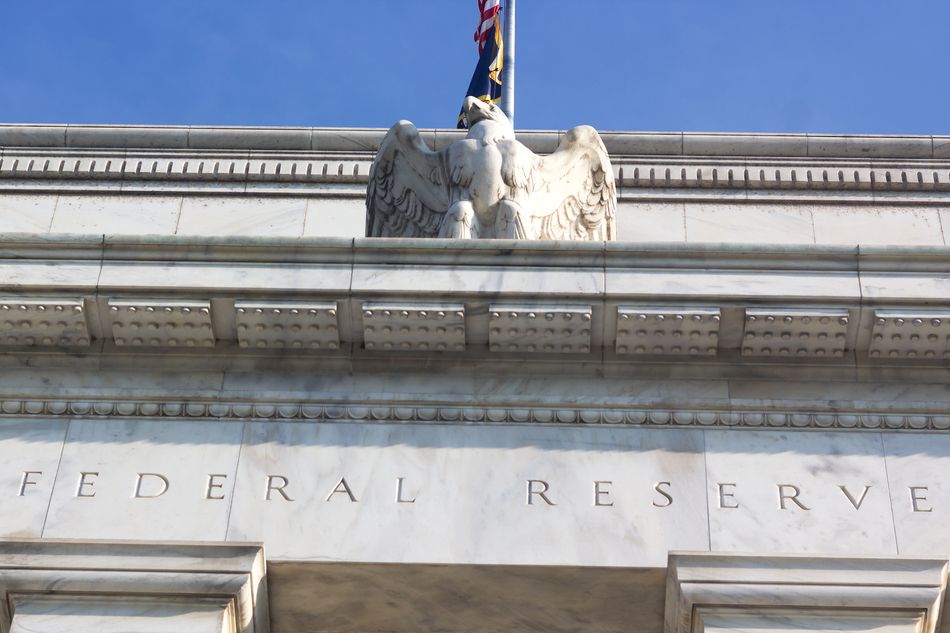
The finance industry is breathing a sigh of relief over revisions to incoming US bank capital rules that lobbyists had warned in their earlier iteration could increase systemic risk in the US$846trn derivatives market.
The Federal Reserve published its latest bank capital proposals in March that did away with some of the most contentious aspects of the 2023 draft regulations. That included scrapping a requirement for the largest US banks to hold 80% more capital against client exposures in their derivatives clearing units.
Industry insiders view it as a major win. The earlier proposals would have cost US$7.2bn per institution, according to trade body, the Futures Industry Association.
Critics argued that risked straining bank capacity and stoking dangerous levels of clearing concentration – all when regulators are set to push more trading activity through clearinghouses in the shape of the US$30trn Treasury market.
“When the 2023 proposals came out, there were a lot of capital add-ons for clearing without any real rationale for why. It wasn’t like clearing had failed or didn’t work right,” said Jackie Mesa, chief operating officer and senior vice-president for global policy at the FIA.
“We’ve all been asking regulators whether they intended to increase regulatory capital for clearing that much and whether it’s really justified. Now we have these new proposals, and we think these are largely positive changes for clearing that have been made compared to the 2023 proposals,” she said.
The Fed’s revised capital proposals will nonetheless represent the most significant adjustment to US banks’ capital framework since reforms were implemented in the aftermath of the 2008 financial crisis. Global regulators have pushed as much derivatives activity as possible through central clearing since then to reduce systemic risk in the market.
The post-crisis reforms are widely viewed as successful in preventing a repeat of those tumultuous events, when interlinkages in derivatives markets threatened to cause contagion to the financial system.
Clearinghouses are designed to stop that domino effect of losses once an important institution collapses by acting as an intermediary in financial transactions. Investors – asset managers and insurance companies – typically rely on banks to clear trades on their behalf due to the onerous requirements of becoming a direct clearing member.
Banks charge clients for their services and often view it as a critical function because of its ability to cement client relationships and win additional business.
Nevertheless, derivatives clearing is still an expensive and complex business to run due to the regulatory capital and technological investment required. Many banks have decided it is simply not worth the trouble. Deutsche Bank, Nomura, BNY Mellon, State Street and NatWest have all quit the business in recent years.
Their exits have fuelled concerns over capacity constraints and whether concentrating the clearing business in a handful of dealers could increase systemic risk. The six largest US banks account for 80% of over-the-counter swaps clearing services, according to the FIA.
A clear improvement?
The revised rules include an exemption for client-facing derivatives clearing when calculating market risk scores that dictate how much regulatory capital US banks must hold.
"That's a good [change] when you consider the purpose of client clearing and the fact that very few banks actually provide client clearing derivatives services today, so the last thing we want is to further drive people out of that market,” said Matt Bisanz, financial regulatory partner at law firm Mayer Brown.
US banks will also be able to engage in cross-product netting of their risk exposures across derivatives and repo products, which should reduce the amount of capital they have to hold if positions across different products “are mitigating”, said Mesa.
Panayiotis Dionysopoulos, global head of financial and enterprise risk at ISDA, said this is a particularly important development ahead of mandatory clearing coming into force for Treasuries in December for cash transactions and June 2027 for repo transactions. However, he said issues remain with the netting methodology that regulators have proposed.
“US Treasury clearing has its own trajectory and we’re getting close to the first go-live date," he said. "So we're focused on testing what the US regulators have put forward and assessing the extent to which it works in practice."
At a high level, the Fed estimates that changes to regulatory capital rules should see large US banks hold 10% less capital on their books on average – equivalent to US$23bn – while keeping the overall amount of capital in the banking system “substantially higher” than it was before the 2008 financial crisis.
JP Morgan chief executive Jamie Dimon has taken issue with certain aspects of the rules in recent weeks, calling them “nonsensical” and “un-American”. He estimated that JP Morgan would expect to see a modest 5% decrease in regulatory capital under the new rules.
